
Discover the enduring resonance of Maya Angelou’s “I Know Why the Caged Bird Sings,” a seminal work that blends lyrical narrative with profound social commentary․ This introduction outlines its cultural impact, guiding readers toward deeper exploration․ Its legacy endures, inspiring generations world!!․
Purpose of the Article Plan
The article plan provides a structured roadmap, guiding readers through a comprehensive study of Maya Angelou’s poem, “I Know Why the Caged Bird Sings․” By outlining sections from background and authorship to thematic analysis and critical reception, it ensures a cohesive exploration that balances historical context with literary nuance․ It highlights the poem’s relevance to freedom, identity, and resilience, encouraging academic inquiry and personal reflection․ The plan offers scholars, students, and enthusiasts a reliable framework that facilitates navigation, promotes engagement, and supports further research․ It also serves as a reference for future scholarship, ensuring accessibility and continuity in literary studies․
The plan mirrors the poem’s layered structure, allowing readers to move from the Civil Rights era context to the micro‑level symbolism in each stanza․ It invites interrogation of language, rhythm, and imagery that articulate collective memory and individual longing․ The interdisciplinary design integrates literary criticism, historical analysis, and cultural studies, creating a multidimensional reading experience․ Readers will also gain insight into the poem’s formal elements, such as meter and rhyme, which reinforce its emotional impact․
Finally, the plan serves as a pedagogical tool, offering educators a scaffold for lesson planning, discussion prompts, and assessment strategies․ Aligning each section with learning objectives encourages critical thinking, close reading, and reflective writing, fostering deeper appreciation for Angelou’s craft and the socio‑cultural landscape that shaped it!!

Background of the Poem
Maya Angelou’s 1969 poem, “I Know Why the Caged Bird Sings,” emerged from her autobiographical voice, reflecting the African‑American struggle for freedom․ It blends lyrical narrative with raw emotion, becoming a cornerstone of civil‑rights literature․ Its legacy echoes, shaping modern voices․now
Authorship and Publication History
Maya Angelou, born Marguerite Annie Johnson in 1928, crafted “I Know Why the Caged Bird Sings” as part of her autobiographical narrative that later became the title of her 1969 memoir․ The poem first appeared in the anthology “The Collected Poems of Maya Angelou” in 1970, and was subsequently included in her seminal collection “And Still I Rise” (1978)․ Angelou’s lyrical voice, rooted in her Southern upbringing and the broader African‑American experience, blends personal memory with universal themes of freedom and resilience․ The poem’s publication journey reflects the evolving landscape of African‑American literature, moving from small‑press collections to mainstream literary recognition․ Its inclusion in high‑school curricula and university syllabi has cemented its status as a touchstone for discussions on identity, oppression, and hope․ Angelou’s own reflections on the poem’s creation reveal a deliberate use of metaphor and rhythm to convey the tension between confinement and aspiration, making it a staple in contemporary literary studies․ Since its publication, the poem has been translated into multiple languages, performed in recitations worldwide, and cited in legal and educational contexts, underscoring its universal appeal and its role as a catalyst for dialogue on race, freedom, and human dignity․ Moreover, scholars note that the poems rhythmic cadence and metaphorical language serve as tools in classrooms fostering empathy and thinking about injustice․
Accessing the Poem PDF
To obtain the poem PDF, visit reputable literary archives or the publisher’s official site․ Ensure the download complies with copyright law․ Many libraries offer free access through inter‑library loan or digital lending platforms․ Always verify the source’s legitimacy before downloading․ Enjoy!!??
Legal Sources and Licensing
When seeking a PDF of Maya Angelou’s “I Know Why the Caged Bird Sings,” it is essential to respect copyright law and utilize authorized channels․ The poem remains under copyright protection, so free, unlicensed copies are generally prohibited․ Official publishers, such as Random House, offer licensed digital editions through their websites or authorized e‑book platforms․ Libraries, both public and academic, provide legitimate access via inter‑library loan or digital lending services like OverDrive and Hoopla, where users can legally download or stream the text for a limited period․ Educational institutions often grant students and faculty access to licensed databases such as JSTOR or Project MUSE, which may host the poem in PDF format for academic use․ Additionally, the Poetry Foundation and other reputable literary sites sometimes provide excerpts or full works under Creative Commons licenses, but these are typically limited to short passages or specific usage rights․ Always verify the license terms—some sites allow personal, non‑commercial use, while others restrict redistribution․ If you intend to use the poem for publication, presentation, or commercial projects, you must obtain explicit permission from the copyright holder or their representative, often through a licensing agency․ Failure to do so can result in infringement claims․ By adhering to these guidelines, you can enjoy the poem responsibly while supporting the author’s rights and the broader literary community․ Enjoy poem responsibly․!
Poem Overview
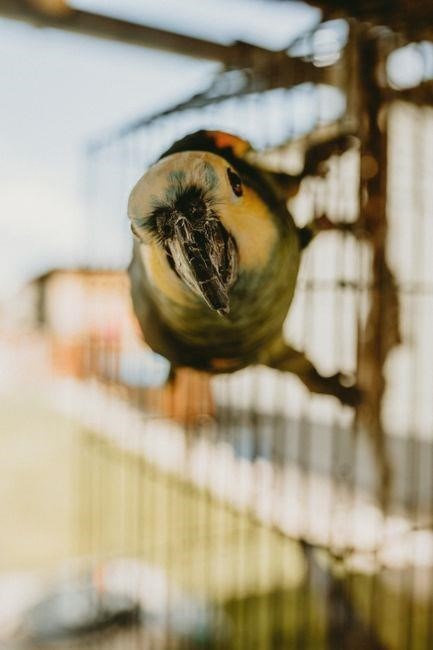
Maya Angelou’s poem, “I Know Why the Caged Bird Sings,” juxtaposes freedom and confinement, weaving personal narrative with universal longing․ Its rhythmic cadence and vivid imagery capture the resilience of marginalized voices, inviting reflection on hope and injustice․ Enjoy
Structure and Themes
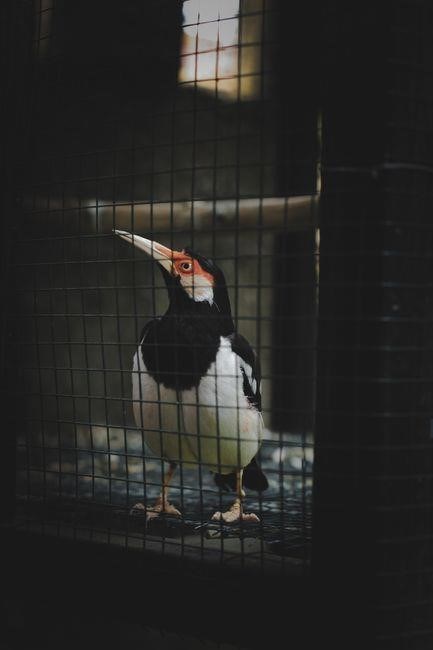
The poem’s architecture reflects its core message: a relentless longing for freedom amid oppression․ Angelou opens with a vivid depiction of a caged bird, setting a tone that oscillates between the bird’s silent suffering and the narrator’s yearning․ The stanzaic rhythm is free verse, deliberately avoiding rigid meter to echo the unpredictable cadence of life under constraint․ Each stanza alternates between the bird’s plaintive song and the human voice’s introspective reflection, creating a dynamic interplay that underscores the tension between physical restraint and inner liberty․ The refrain, “I know why the caged bird sings,” punctuates the narrative at key moments, reinforcing the persistent hope that endures even when the world seems to mute the voice․ This refrain’s repetition establishes a rhythmic pulse that amplifies the thematic conflict between confinement and aspiration․ The poem’s thematic core revolves around freedom, identity, and resilience․ Angelou employs the caged bird as a potent symbol of marginalized communities, while the narrator’s perspective represents a broader collective yearning for self‑determination․ Memory also surfaces as a theme, as the narrator recalls childhood moments and the oppressive environment that shaped her sense of self․ By juxtaposing the bird’s longing with the narrator’s internal monologue, Angelou crafts a layered narrative that invites readers to contemplate the nature of freedom—both literal and metaphorical․ The poem’s structure, with its alternating stanzas and refrain, reinforces the cyclical nature of struggle and hope, while its themes prompt deeper engagement with issues of race, gender, and social justice․ Through personal experience and universal symbolism, Angelou creates a timeless piece that continues to resonate worldwide, encouraging empathy, introspection, and a commitment to social change․
Literary Analysis
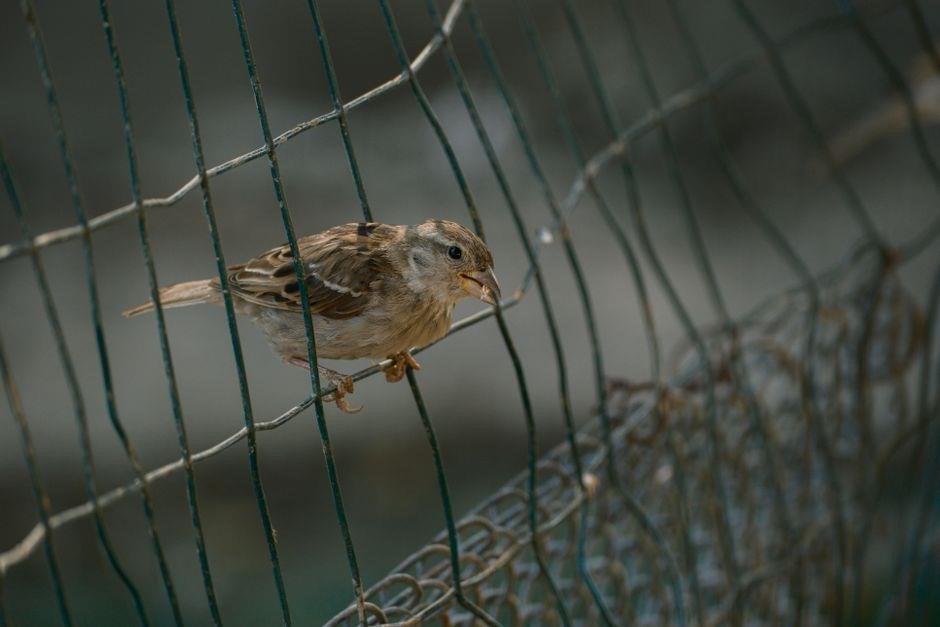
Angelou’s poem blends lyrical grace with stark social critique․ The caged bird symbolizes oppression while the narrator’s voice embodies resilience․ Rhythm imagery and repetition weave a narrative that challenges readers to confront injustice seek liberation․forallhearts․
Symbolism and Imagery
Angelou’s poem harnesses the caged bird as a powerful emblem of constrained freedom, its song a quiet rebellion that echoes beyond the physical bars․ The bird’s feathers, described as “black as the night,” juxtapose with the light that “stills the night,” suggesting hope amid darkness․ The narrator’s own voice, a “soul” that “sings,” becomes a counterpoint, a living testament to resilience․ The imagery of “the wind that blows” and “the sky that is wide” expands the poem’s reach, turning personal struggle into universal longing․ The repeated motif of “sings” underscores the persistence of hope, while the bird’s “song” becomes a metaphor for the human spirit’s refusal to be silenced․ Angelou’s use of sensory detail—sound, sight, and touch—creates a vivid tableau that invites readers to feel the weight of oppression and the lightness of aspiration․ The bird’s cage, a “black box,” symbolizes institutional barriers, yet the bird’s song proves that even within confinement, the soul can transcend․ This duality of confinement and liberation invites readers to question the boundaries of their own lives and the societal structures that shape them․
The poem’s rhythmic cadence mirrors the heartbeat of a community striving for equality, while its lyrical language invites introspection․ Angelou’s use of enjambment and repetition reinforces hope, and the interplay between darkness and light underscores resilience․ Through metaphors, the poem urges readers to confront now systemic barriers․

Historical Context
Set against the backdrop of the 1960s Civil Rights era, Angelou’s poem reflects the struggle for racial equality, capturing the era’s tension, hope, and the quest for liberation through lyrical resilience․ Its cadence mirrors the era’s marches, echoing the yearning for justice and dignity․ It echoes Now
African American Civil Rights Movement
- Key Events: The 1963 March on Washington, the Civil Rights Act of 1964, and the Voting Rights Act of 1965 marked pivotal victories, inspiring artistic expressions that captured the era’s urgency․
- Influential Figures: Leaders such as Martin Luther King Jr․, Rosa Parks, and Malcolm X shaped public consciousness, and their speeches often echoed the themes of liberation found in Angelou’s verse․
- Artistic Movements: The Black Arts Movement amplified African American voices, encouraging writers, poets, and musicians to confront systemic injustice through creative works․
- Legacy: The poem remains a testament to the power of language in mobilizing social change, continuing to influence contemporary discussions on race, identity, and human rights․
Angelou’s work not only mirrors the historical context of the Civil Rights Movement but also serves as a living reminder
Critical Reception
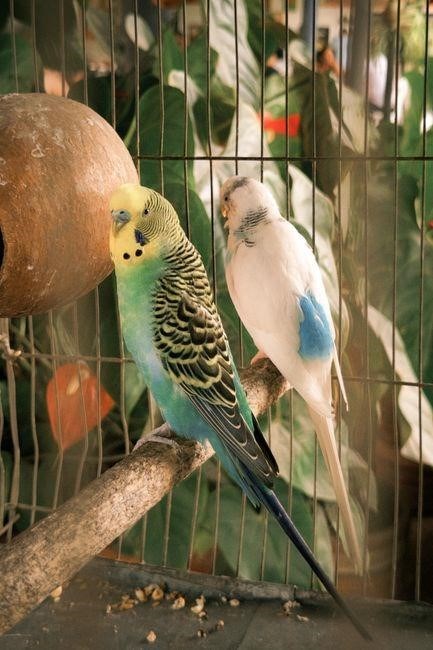
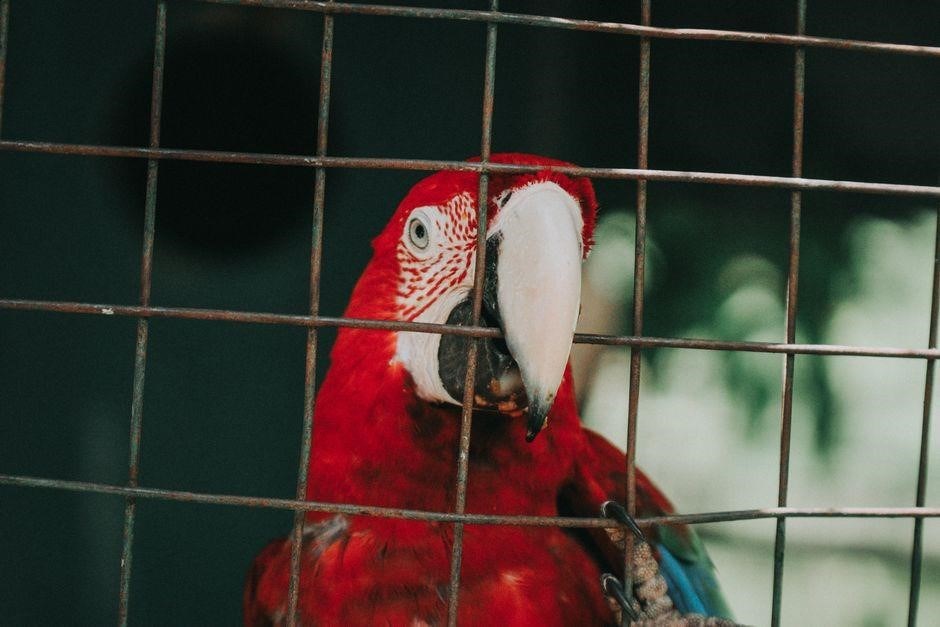
Critics acclaim Angelou’s poem for its lyrical depth, powerful imagery, and unflinching truth․ Scholars highlight its role in shaping modern African‑American literature, noting its blend of personal narrative and collective struggle․ The work remains a touchstone for literary analysis․ It endures!!?

Academic Reviews and Commentary
Scholars have examined the text through lenses of post‑colonial theory, feminist critique, and socio‑historical analysis․ Critics note the layered narrative structure, where personal testimony intertwines with collective memory, creating a resonant dialogue that transcends individual experience․ The work’s rhythmic diction and vivid imagery invite close readings that reveal recurring motifs of confinement, freedom, and resilience․ Comparative studies position it alongside contemporaneous African‑American voices, underscoring its role in articulating a broader cultural consciousness; The text has also been a focal point in discussions of literary pedagogy, prompting educators to incorporate its themes into curricula that address identity, agency, and social justice․ Recent interdisciplinary scholarship has explored its influence on contemporary poetry, music, and visual art, demonstrating its enduring relevance across artistic mediums․ Overall, academic engagement with the text underscores its capacity to provoke critical reflection on systemic inequality while celebrating the human spirit’s capacity for hope and transformation․
Scholarly discourse interrogates the interplay between personal narrative and collective memory, emphasizing the text’s pedagogical value across academic contexts․ Researchers note its power to illuminate systemic injustices while fostering critical consciousness, cementing its status as a pivotal cultural artifact for contemporary scholarship!
and Further Resources
In closing, the poem remains a beacon for scholars and students alike, inviting ongoing dialogue about freedom, identity, and resilience․ Resources include critical essays, annotated editions, and multimedia studies that deepen understanding and spark new inquiry․ Explore forums for insight today․!
Additional Reading and Study Guides
For those eager to delve deeper into Maya Angelou’s landmark poem, a curated selection of scholarly articles, companion texts, and interactive resources is available․ The Poetry Foundation hosts a concise analysis that highlights the poem’s rhythmic structure and thematic layers․ A recommended companion volume, Angelou: A Life in Poetry, offers contextual essays that trace the author’s early influences and the socio‑political climate of the 1960s․ For educators, the Scholastic Teacher’s Guide provides lesson plans, discussion prompts, and multimedia activities that align with Common Core standards․ Students may also benefit from the Khan Academy’s free video series on African American literature, which situates the poem within a broader canon․ Finally, the New York Times Book Review offers a critical perspective that examines the poem’s enduring relevance in contemporary discourse․ Additionally, the Library of Congress Digital Collections houses original manuscripts and correspondence that illuminate Angelou’s creative process․ The National Archives provides archival footage of the poet’s readings, offering insight into her performative style․ These resources are freely available online․!!