Honeywell TH3210D1004 Installation Manual: A Comprehensive Plan
This manual, dated 02/26/2026, guides users through the Honeywell TH3210D1004 installation process, ensuring optimal performance and system functionality.
Welcome! This manual serves as a comprehensive guide for installing and configuring your Honeywell TH3210D1004 thermostat. As of today, February 26th, 2026, at 09:45:54, this document provides detailed instructions to ensure a smooth and successful installation process. The TH3210D1004 is designed to provide precise temperature control and energy efficiency within your home or office.
This thermostat is compatible with a wide range of heating and cooling systems, offering versatile functionality. Before beginning, carefully review the safety precautions and wiring diagrams to avoid potential hazards and ensure correct operation. This manual will walk you through each step, from preparing your system to programming your desired temperature schedules. Proper installation is key to maximizing the benefits of your new Honeywell thermostat.
Package Contents & Verification
Upon opening the Honeywell TH3210D1004 package (as of 02/26/2026), please verify all components are present and undamaged. Your package should include: the TH3210D1004 thermostat unit itself, a mounting backplate, screws and wall anchors for secure installation, wire labels for easy identification during wiring, and this comprehensive installation manual.
Carefully inspect each item for any signs of shipping damage. If any parts are missing or appear damaged, do not proceed with the installation. Immediately contact Honeywell Support (details in the Warranty Information section) to report the issue and arrange for replacements. Accurate verification of package contents is crucial before beginning the installation process, ensuring a hassle-free experience.
Safety Precautions & Warnings
Important: Prior to installing the Honeywell TH3210D1004 (referenced on 02/26/2026), always disconnect power to your HVAC system at the breaker box to prevent electrical shock. Incorrect wiring can damage the thermostat and/or your HVAC equipment, potentially creating a fire hazard.
This installation should only be performed by individuals comfortable working with low-voltage electrical systems. If you are unsure about any step, consult a qualified HVAC technician. Keep the thermostat and included components away from water and extreme temperatures. Failure to follow these safety precautions could result in personal injury or property damage. Read the entire manual before starting!
Tools Required for Installation
To ensure a smooth installation of your Honeywell TH3210D1004 (as of 02/26/2026), gather the following tools beforehand. You will need a small Phillips head screwdriver for securing the thermostat to the wall and connecting wires. A flathead screwdriver may also be useful for certain terminal connections.
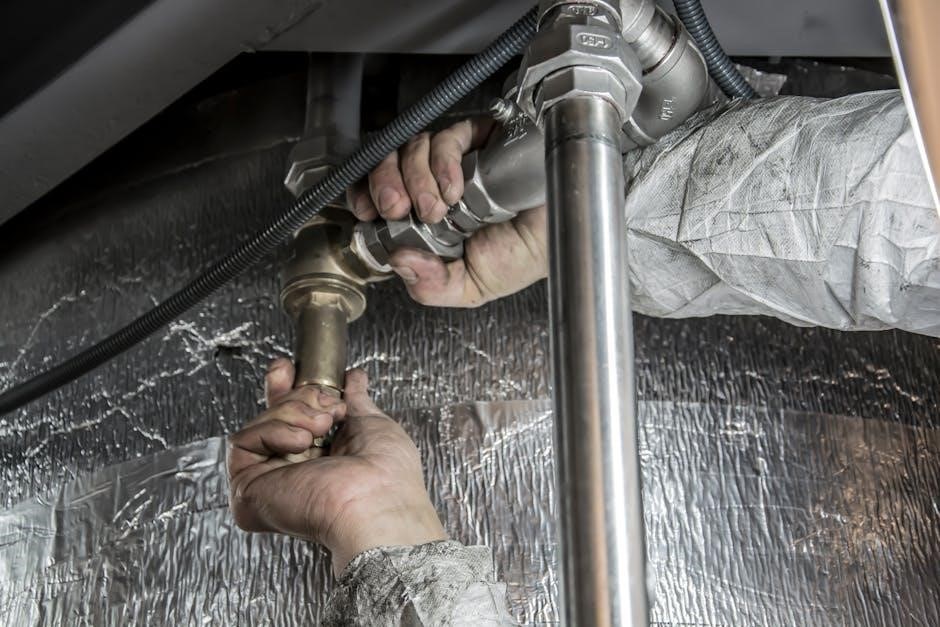
A wire stripper/cutter is essential for preparing the thermostat wires. A level will guarantee the thermostat is mounted straight. A digital multimeter is recommended for verifying power is off and testing wire continuity. Finally, have a pen or pencil and a small piece of tape available for labeling wires before disconnection – this is crucial for correct re-wiring!
Understanding the TH3210D1004 Thermostat Components
The Honeywell TH3210D1004, as detailed in the manual dated 02/26/2026, features a user-friendly design. Key components include the LCD display, which clearly shows temperature settings and system status. Navigation is managed through intuitive buttons located beneath the display.
The backplate serves as the mounting point and houses the terminal block for wiring connections; This terminal block is crucial for linking the thermostat to your HVAC system. Understanding these components is vital before beginning installation, ensuring correct wiring and optimal functionality. Familiarize yourself with each part for a successful setup.
Display and Interface Overview
The Honeywell TH3210D1004’s display, as referenced in the manual dated 02/26/2026, presents crucial information at a glance. It prominently showcases the current room temperature and the setpoint temperature. System mode indicators (Heat, Cool, Auto, Off) are clearly visible. The display also communicates system status, such as fan operation and active heating/cooling.
The interface utilizes simple, easily identifiable buttons for temperature adjustment, mode selection, and programming. These buttons allow for intuitive navigation through the thermostat’s menus. Understanding the display icons and button functions is essential for effective operation and customization of your heating and cooling preferences.
Terminal Block Identification
As detailed in the Honeywell TH3210D1004 installation manual (dated 02/26/2026), the terminal block is crucial for proper wiring. Terminals are clearly labeled for easy connection. ‘R’ designates the 24VAC power source, while ‘W’ controls heating. ‘Y’ activates cooling, and ‘G’ manages the fan.
The ‘C’ terminal, often requiring a common wire, provides continuous power to the thermostat. Identifying these terminals correctly is paramount. Incorrect wiring can lead to system malfunction or damage. Refer to the wiring diagrams within the manual for specific system configurations. Proper terminal identification ensures a secure and functional installation.
Wiring Diagram – System Compatibility
The Honeywell TH3210D1004 installation manual (dated 02/26/2026) emphasizes the importance of matching wiring to your HVAC system. Diagrams illustrate compatibility with conventional systems – gas, oil, and electric – alongside heat pump configurations.
Carefully review the diagram corresponding to your system type before proceeding. Variations exist in wiring for single-stage, multi-stage, and heat pump setups. The manual details specific terminal connections for each scenario. Incorrect wiring can cause operational issues or damage. Always double-check connections against the appropriate diagram to ensure a successful installation and optimal system performance.
Installation Steps: Step-by-Step Guide
Following the Honeywell TH3210D1004 installation manual (dated 02/26/2026), begin by powering down your HVAC system at the breaker to avoid electrical shock. Next, remove the old thermostat, carefully noting the wire connections.
Then, mount the TH3210D1004 backplate securely to the wall, ensuring it’s level. The manual stresses the importance of accurate wiring – refer to the wiring diagram for your system type. Connect the wires to the appropriate terminals on the new thermostat. Finally, attach the thermostat to the backplate and restore power. A system check confirms proper operation.
Powering Down the HVAC System
As detailed in the Honeywell TH3210D1004 installation manual (dated 02/26/2026), safety is paramount. Before commencing any installation work, completely disconnect power to your heating, ventilation, and air conditioning (HVAC) system. Locate the circuit breaker controlling the HVAC unit in your electrical panel.
Switch the breaker to the “OFF” position. Double-check that the HVAC system has no power by attempting to turn on the fan or adjust the temperature on the existing thermostat. Confirm zero voltage with a non-contact voltage tester for added safety. This prevents electrical shock and potential damage to the thermostat or HVAC components during installation.
Removing the Old Thermostat
Following the safety precautions outlined in the Honeywell TH3210D1004 installation manual (dated 02/26/2026), carefully remove your existing thermostat. First, photograph the existing wiring – this is crucial for correct connection of the new thermostat. Gently detach the thermostat cover, exposing the wiring terminals.
Label each wire with the corresponding terminal designation before disconnecting. Use the provided wire labels or masking tape and a pen. Loosen the terminal screws and carefully disconnect each wire. Once all wires are disconnected, remove the old thermostat’s mounting plate from the wall. Note any wall anchors used for secure mounting.
Mounting the TH3210D1004 Backplate

Referring to the Honeywell TH3210D1004 installation manual (dated 02/26/2026), position the new backplate on the wall where the old thermostat was removed. Ensure it’s level using a spirit level for accurate temperature readings. Use the existing mounting holes if possible; otherwise, you may need to drill new ones.
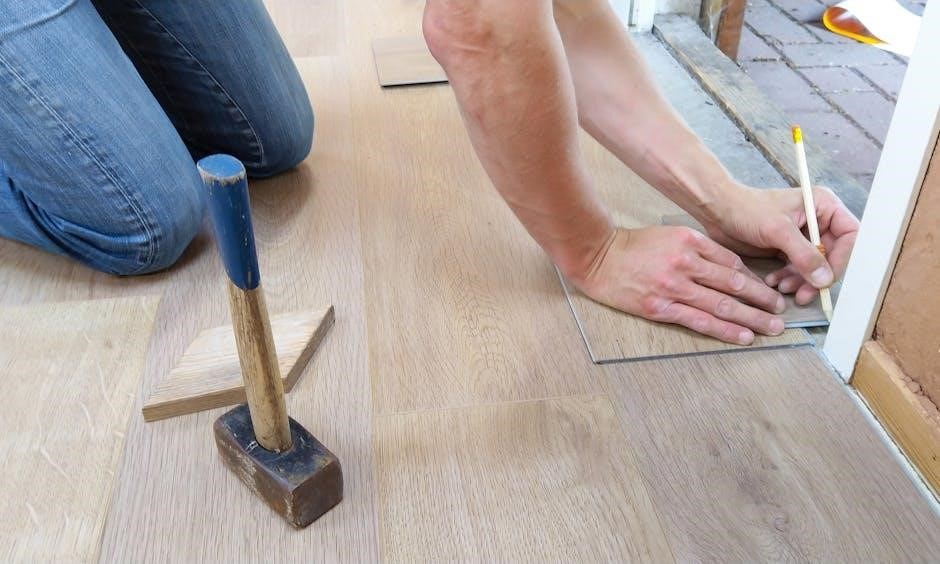
If drilling, use appropriate wall anchors for secure attachment. Align the backplate and mark the screw locations. Drill pilot holes, insert anchors, and then secure the backplate to the wall using the provided screws. Verify the backplate is firmly mounted and doesn’t wobble before proceeding to the wiring stage.
Wiring the TH3210D1004 Thermostat
As detailed in the Honeywell TH3210D1004 installation manual (dated 02/26/2026), careful wiring is crucial for proper operation. Double-check that the HVAC system’s power is completely off before connecting any wires. Refer to the wiring diagram specific to your system type – conventional (gas, oil, electric) or heat pump – to identify the corresponding terminals.
Gently insert each wire into the correctly labeled terminal on the thermostat’s backplate, ensuring a secure connection. Avoid stripping the wires excessively. Incorrect wiring can damage the thermostat or HVAC system, so proceed with caution and verify each connection against the diagram before proceeding.
Wiring for Conventional Systems (Gas, Oil, Electric)
According to the Honeywell TH3210D1004 manual (dated 02/26/2026), conventional systems typically involve wiring for heating (H), cooling (C), and a common wire (C). Ensure the system power is off before beginning. Connect the Rh wire to the heating terminal and Rc to the cooling terminal. The W wire controls the heating function, and the Y wire manages cooling.
A C-wire is often required for consistent power. If a C-wire isn’t present, consult the manual for alternative wiring options. Carefully match wire colors to terminal labels, and securely fasten each wire to prevent loose connections. Incorrect wiring can lead to system malfunction.
Wiring for Heat Pump Systems
The Honeywell TH3210D1004 manual (dated 02/26/2026) details specific wiring for heat pump systems, differing from conventional setups. Heat pumps utilize Rh, Rc, Y, W, and often a reversing valve wire (O/B). Always disconnect power before proceeding. Rh connects to heating, Rc to cooling, and Y controls the compressor. The W wire activates auxiliary heat, and O/B manages reversing valve operation – verify your system’s configuration.
Proper identification of O/B wiring is crucial; incorrect connection can reverse heating and cooling. A common wire (C) is generally required. Refer to the wiring diagram within the manual for precise terminal assignments and ensure secure connections to avoid operational issues.
Connecting and Configuring the C-Wire (Common Wire)
The Honeywell TH3210D1004 manual (dated 02/26/2026) emphasizes the importance of the C-wire (Common wire) for reliable operation. Many modern HVAC systems, and the TH3210D1004, require a constant 24V power supply. The C-wire provides this, preventing “power stealing” from other circuits which can cause erratic behavior.
If a C-wire isn’t present, an adapter may be necessary. Carefully follow the adapter’s instructions, as incorrect installation can damage the thermostat or HVAC system. Once connected, verify a stable 24V reading between the C terminal and Rh or Rc. Proper C-wire configuration ensures consistent performance and unlocks all thermostat features.
Initial Power-Up and System Check
Following the wiring (as of 02/26/2026, per the Honeywell TH3210D1004 manual), restore power to your HVAC system. The thermostat should illuminate, initiating a self-test sequence. Observe the display for any immediate error messages. System check involves verifying heating and cooling functionality.
Select “Heat” and raise the setpoint; confirm the heating system activates. Then, select “Cool” and lower the setpoint, ensuring the cooling system engages. Listen for proper operation from your furnace or air conditioner. If issues arise, immediately power down and re-examine the wiring connections, referencing the diagrams within this manual.
Setting the Date and Time
Accurate date and time settings (as of 02/26/2026, according to the Honeywell TH3210D1004 manual) are crucial for proper scheduling. Access the settings menu using the ‘Menu’ or ‘Settings’ button on the thermostat interface. Navigate to the ‘Date’ and ‘Time’ options. Use the up and down arrow buttons to adjust the month, day, year, hour, and minute.
Confirm each selection by pressing ‘OK’ or ‘Enter’. Ensure the correct AM/PM designation is chosen. Verify the accuracy by comparing it to a reliable time source. Proper timekeeping enables the thermostat to execute programmed schedules effectively, optimizing comfort and energy savings.
Programming the Temperature Schedule
The Honeywell TH3210D1004, as of 02/26/2026, allows customized temperature schedules for optimal comfort and energy efficiency. Access the ‘Schedule’ menu via the thermostat interface. You can typically define different temperature settings for ‘Wake’, ‘Leave’, ‘Return’, and ‘Sleep’ periods. Adjust temperatures for each period using the arrow buttons.
The manual details how to assign these periods to specific days of the week, creating a unique schedule for weekdays and weekends. Explore options like ‘Hold’ to temporarily override the schedule. Regularly reviewing and adjusting the schedule ensures it aligns with your lifestyle and maximizes savings.
Setting Daily Schedules
As detailed in the 02/26/2026 manual, setting daily schedules on the Honeywell TH3210D1004 involves programming four distinct periods: Wake, Leave, Return, and Sleep. Begin by selecting the day you wish to program. Then, input the desired start time and temperature for each period. Utilize the thermostat’s interface to cycle through each period, customizing settings to match your daily routine.
Ensure accurate time settings for precise scheduling. The manual emphasizes copying schedules to other days for convenience. Remember to save changes after each adjustment. Regularly reviewing and fine-tuning these daily schedules optimizes comfort and energy conservation, aligning with your specific needs and preferences.
Utilizing Vacation Mode
According to the Honeywell TH3210D1004 installation manual (dated 02/26/2026), Vacation Mode is designed for extended absences, maintaining a consistent, energy-saving temperature. Activate this mode through the thermostat’s menu, specifying the start date and duration of your trip. A pre-set temperature, typically around 60°F (15.5°C) for heating and 85°F (29.4°C) for cooling, is recommended, but can be adjusted.
The manual advises testing Vacation Mode before a long trip. Upon your return, simply deactivate the mode to resume your regular schedule. This feature prevents unnecessary energy consumption while you’re away, contributing to lower utility bills and a more efficient home climate control system.
Troubleshooting Common Installation Issues
The Honeywell TH3210D1004 installation manual (dated 02/26/2026) highlights several common issues. A “No Power” display often indicates a disconnected C-wire or a tripped breaker – verify both. If the thermostat doesn’t recognize your HVAC system, double-check wiring connections against the appropriate diagram in the appendix. Incorrect wiring is a frequent cause of malfunction.
For unresponsive displays, try resetting the thermostat (see section on factory defaults). If heating or cooling doesn’t activate, confirm the system’s power switch is on and the temperature setpoint is appropriately adjusted. Refer to the error code section for specific diagnostic information, as detailed in the manual.
Resetting the TH3210D1004 to Factory Defaults
According to the Honeywell TH3210D1004 installation manual (dated 02/26/2026), resetting to factory defaults clears all personalized settings, returning the thermostat to its original state. This is useful for troubleshooting or preparing the unit for a new user. To initiate the reset, navigate to the settings menu on the thermostat’s display.
Select the “Reset” or “Factory Defaults” option (location may vary slightly based on firmware version). The system will prompt for confirmation; select “Yes” to proceed. The thermostat will then restart, displaying the initial setup screen. Note that this process erases programmed schedules, temperature preferences, and any custom configurations.

Understanding Error Codes & Diagnostics
The Honeywell TH3210D1004 installation manual (dated 02/26/2026) details a system of error codes to aid in diagnosing operational issues. These codes appear on the thermostat’s display, signaling problems with wiring, sensor functionality, or HVAC system communication. Common codes indicate issues like a lost connection to the outdoor unit, a faulty temperature sensor, or a problem with the heating/cooling cycle.
Refer to the manual’s dedicated troubleshooting section for a comprehensive list of codes and their corresponding solutions. Diagnostic tests, accessible through the settings menu, can also help pinpoint the source of the problem. If an error persists, contacting Honeywell support is recommended.
Maintaining Your TH3210D1004 Thermostat
As outlined in the Honeywell TH3210D1004 installation manual (dated 02/26/2026), regular maintenance ensures optimal performance and longevity. Periodically, gently clean the thermostat’s display with a soft, dry cloth to remove dust and debris. Avoid using liquids or abrasive cleaners. Inspect the wiring connections annually, ensuring they remain secure and free from corrosion.
Check the battery level (if applicable) and replace them as needed. Avoid exposing the thermostat to extreme temperatures or humidity. Regularly reviewing the programmed schedule and adjusting it to your needs will also contribute to efficient operation and energy savings. Proper care extends the life of your thermostat.
Warranty Information
As detailed within the Honeywell TH3210D1004 installation manual (referenced on 02/26/2026), this thermostat is covered by a limited warranty against defects in materials and workmanship. The standard warranty period is one (1) year from the date of original purchase. This warranty does not cover damage resulting from improper installation, misuse, abuse, or unauthorized modifications.
To make a warranty claim, retain your proof of purchase and contact Honeywell Support (details provided later in this manual). Honeywell, at its discretion, will repair or replace the defective product. This warranty provides specific legal rights, and other rights may vary depending on local laws.
Contacting Honeywell Support
Should you encounter any issues during or after the Honeywell TH3210D1004 installation (as referenced in the manual dated 02/26/2026), Honeywell’s dedicated support team is available to assist. You can reach them via phone at 1-800-468-1513, available Monday through Friday, 8 AM to 8 PM EST.
Alternatively, visit the Honeywell Home website at honeywellhome.com for a comprehensive FAQ section, troubleshooting guides, and downloadable resources. Online chat support is also frequently available. When contacting support, please have your thermostat model number (TH3210D1004) and date of purchase readily available to expedite the assistance process.
Frequently Asked Questions (FAQ)
Q: Does the TH3210D1004 require a C-wire? A: While often recommended, a C-wire isn’t always necessary, but can resolve power-related issues (refer to the manual dated 02/26/2026). Q: Can I use this thermostat with a heat pump? A: Yes, the TH3210D1004 supports heat pump systems; specific wiring instructions are detailed within. Q: How do I reset the thermostat? A: A factory reset option is available in the settings menu.
Q: What do the error codes mean? A: Refer to the “Understanding Error Codes & Diagnostics” section for detailed explanations. Q: Is professional installation required? A: While DIY installation is possible, professional installation is recommended if you’re uncomfortable with electrical wiring.
Appendix: Wiring Diagrams for Specific HVAC Systems
This appendix provides detailed wiring diagrams for various HVAC system configurations compatible with the Honeywell TH3210D1004 (as of 02/26/2026). Included are schematics for conventional gas, oil, and electric furnaces, alongside dedicated diagrams for single and multi-stage heat pump systems.
Furthermore, we’ve included illustrations for systems utilizing a common (C) wire, and those adapted for operation without one. Important: Always verify your existing system’s wiring before connecting the thermostat. Incorrect wiring can cause damage. Diagrams are color-coded for clarity and correspond to terminal block identifications detailed earlier in this manual.