
Omron Blood Pressure Monitors: A Comprehensive Manual Guide
Omron has been a leader in cardiovascular health for over 50 years, starting with its first blood pressure monitor in 1973, and continues innovating today.
Omron’s commitment to preventive cardiovascular and home blood pressure monitoring spans over half a century, beginning in 1973 with their initial blood pressure monitor. Today, one in three Americans experiences hypertension, yet only half effectively manage it – highlighting the crucial role of regular monitoring.
Home blood pressure monitoring empowers individuals to proactively manage their health, offering insights beyond occasional clinical visits. Omron provides a range of devices, including upper arm, wrist, and Bluetooth-connected monitors, designed for ease of use and accuracy. Understanding your blood pressure is vital, and Omron aims to make this process accessible to everyone, reinforcing a commitment to cardiovascular wellness through innovative technology and user-friendly design.
Why Choose an Omron Blood Pressure Monitor?
Omron stands out as a trusted leader in home health monitoring, backed by decades of innovation since 1973. With a significant portion of the US population affected by hypertension – and many lacking control – reliable monitoring is paramount. Omron offers a diverse range of monitors to suit individual needs, from traditional upper arm models to convenient wrist units and advanced Bluetooth-connected devices.
Choosing Omron means selecting a brand dedicated to accuracy and user-friendliness. Their monitors facilitate proactive health management, allowing individuals to track readings consistently and share data with healthcare professionals; This commitment to preventive care, coupled with technological advancements, makes Omron a superior choice for maintaining cardiovascular health.
Understanding Blood Pressure Readings
Omron blood pressure monitors display readings in millimeters of mercury (mmHg), presenting two key numbers: systolic and diastolic. Systolic pressure, the higher value, reflects the force when your heart beats. Diastolic, the lower value, measures the pressure when your heart rests between beats. Understanding these numbers is crucial for assessing cardiovascular health.
According to health guidelines, normal blood pressure typically falls below 120/80 mmHg. Elevated readings require attention, as hypertension affects roughly one in three Americans, with only half effectively managing it. Regularly monitoring with an Omron device empowers individuals to track changes and consult healthcare providers for appropriate guidance and intervention.

Types of Omron Blood Pressure Monitors
Omron offers diverse monitors, including upper arm, wrist models, and Bluetooth-connected devices, catering to varied preferences and enabling comprehensive home health management.
Upper Arm Blood Pressure Monitors
Omron’s upper arm blood pressure monitors are widely considered the gold standard for accuracy, mirroring techniques used by healthcare professionals; These devices utilize an inflatable cuff placed around the upper arm to measure blood flow, providing reliable readings for consistent monitoring.
They are particularly recommended for individuals with certain medical conditions, like diabetes or those experiencing irregular heartbeats, as they generally offer more precise results compared to wrist models. Various models are available, ranging from basic, easy-to-use options to advanced versions with features like multiple user profiles and data storage.

Selecting the correct cuff size is crucial for accurate measurements with upper arm monitors; Omron provides guidance to ensure a proper fit. These monitors are a cornerstone of preventative cardiovascular care, empowering users to proactively manage their health from the comfort of their homes.
Wrist Blood Pressure Monitors
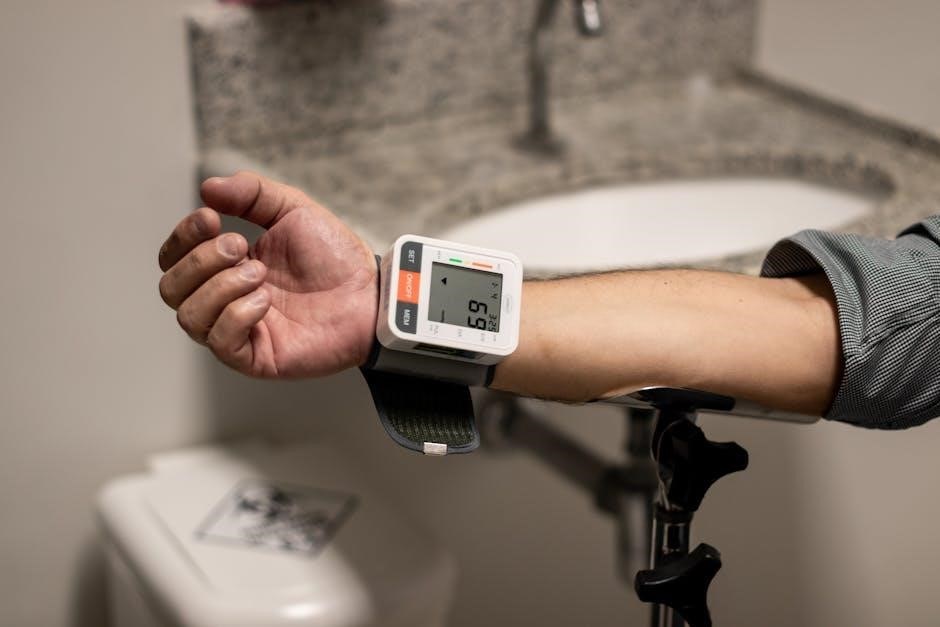
Omron’s wrist blood pressure monitors offer a convenient and portable solution for blood pressure monitoring, ideal for individuals on the go or those who prefer a more discreet option. These devices, worn on the wrist like a watch, provide quick and easy readings with the touch of a button.
While generally less accurate than upper arm models, advancements in technology have significantly improved their reliability. Proper positioning of the wrist – at heart level – is critical for obtaining accurate measurements. They are well-suited for individuals with standard-sized arms who find upper arm cuffs uncomfortable.
Omron wrist monitors often feature compact designs and user-friendly interfaces, making them accessible for a wide range of users. They represent a practical tool for regular blood pressure checks, supporting proactive health management.
Bluetooth Connected Monitors
Omron’s Bluetooth connected blood pressure monitors seamlessly integrate with smartphones and tablets, offering a modern approach to health tracking. These devices wirelessly transmit readings to the Omron Connect app, allowing users to easily store, monitor, and share their data with healthcare professionals.
The app provides detailed graphs and charts, visualizing blood pressure trends over time. This feature aids in identifying patterns and potential health concerns. Data can be conveniently shared with physicians, facilitating more informed discussions during appointments.
These monitors often include features like medication reminders and personalized insights, promoting proactive health management. Omron’s commitment to preventive cardiovascular care is exemplified through these innovative, connected devices.
Setting Up Your Omron Monitor
Omron monitors require proper setup for accurate readings; this includes installing batteries, selecting the correct cuff size, and setting the current date and time.
Installing Batteries and Powering On
Omron blood pressure monitors typically require batteries for operation, though some models also support AC adapters. Before first use, or when replacing batteries, ensure you use the correct type – usually AA or AAA batteries – as specified in your monitor’s individual manual.
Open the battery compartment, typically located on the back or side of the unit, and insert the batteries according to the polarity markings (+ and -). Once the batteries are securely in place, close the compartment.
To power on the monitor, press the ‘Start’ or ‘Power’ button. The display should illuminate, indicating the monitor is ready for use. Some models may perform a self-check upon startup, displaying a brief message or series of numbers. Refer to your specific model’s manual for detailed instructions and any unique power-on procedures.
Selecting the Correct Cuff Size
Using the appropriate cuff size is crucial for accurate blood pressure readings with your Omron monitor. An incorrectly sized cuff can lead to falsely high or low results, compromising the reliability of your measurements.
Omron cuffs come in various sizes, typically Small, Medium, and Large. To determine the correct size, measure the circumference of your upper arm midway between your shoulder and elbow.
Consult the sizing guide included with your monitor or on the Omron website. Generally, a Small cuff fits arms 17-22 cm, Medium 22-32 cm, and Large 32-42 cm. If your measurement falls between sizes, it’s generally recommended to choose the larger cuff for optimal accuracy. Always refer to your monitor’s manual for specific guidance.
Setting the Date and Time
Accurate date and time settings are essential for proper data tracking and review on your Omron blood pressure monitor. Most Omron devices allow you to set the date and time using the ‘Start’ or ‘Set’ button, alongside the ‘Memory’ or ‘Date/Time’ button.
Refer to your specific model’s manual for detailed instructions, as the process can vary slightly. Typically, you’ll press and hold the ‘Set’ button to enter setting mode. Then, use the ‘Memory’ button to cycle through the year, month, day, hour, and minute, adjusting each with the ‘Start’ button.
Confirm your selections by pressing ‘Set’ again. Correctly setting the date and time ensures that your blood pressure readings are accurately timestamped within the monitor’s memory, facilitating effective monitoring of your cardiovascular health.
Taking Accurate Blood Pressure Measurements
Consistent and correct technique is vital for reliable readings; proper positioning, arm placement, and avoiding errors are key to accurate blood pressure monitoring.
Proper Positioning and Arm Placement
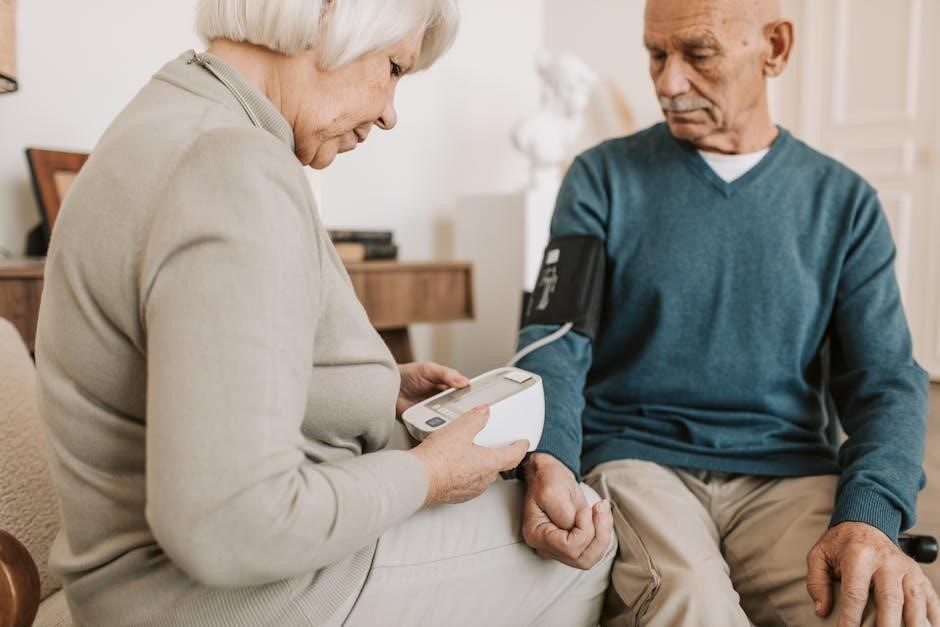
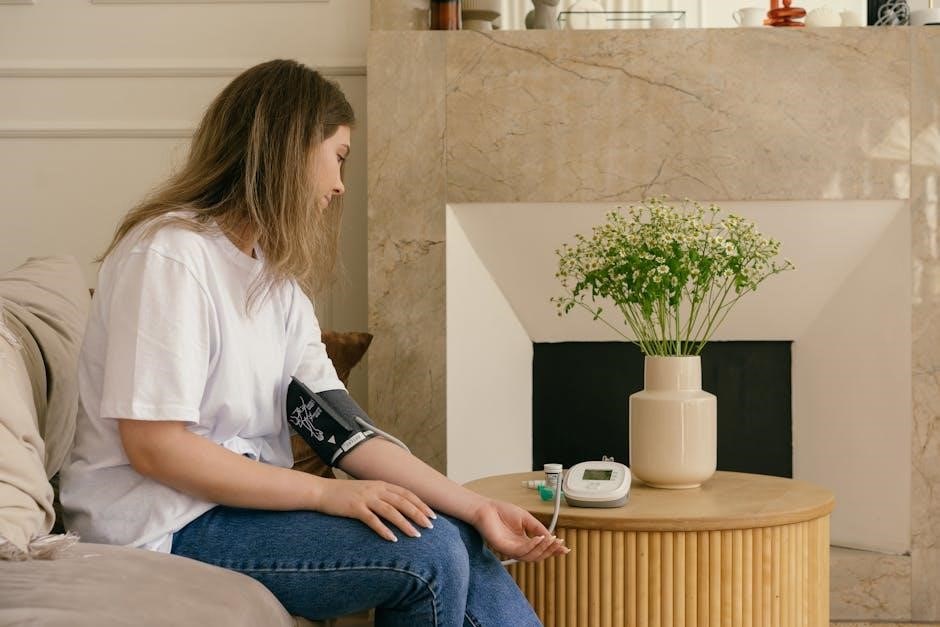
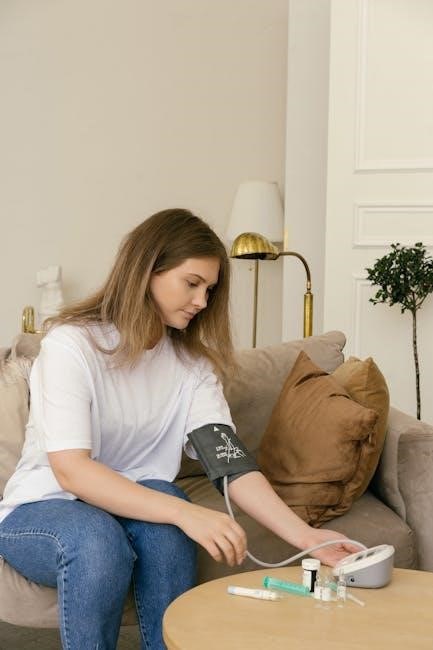
To ensure accurate readings with your Omron blood pressure monitor, proper positioning is crucial. Sit comfortably with your back supported and feet flat on the floor – avoid crossing your legs; Rest your arm on a flat surface, such as a table, at heart level.
The middle of the upper arm should be exposed, and the cuff should be placed approximately one inch above your elbow. Ensure the cuff is snug, but not too tight, allowing space for a fingertip to slide underneath. Avoid talking or moving during the measurement process, as this can artificially inflate your blood pressure.
Consistent arm positioning is key for tracking changes over time, so always use the same arm for measurements.
Avoiding Common Measurement Errors
Several factors can lead to inaccurate blood pressure readings. Talking, moving, or crossing your legs during measurement significantly impacts results. A full bladder can also elevate readings, so empty it beforehand.
Cuff size is critical; an incorrect size will yield unreliable data. Ensure the cuff is applied snugly, but not too tightly, over bare skin – clothing interference is a common error. Avoid caffeine, alcohol, and smoking for at least 30 minutes before measuring.
Take multiple readings, spaced a few minutes apart, and average them for a more accurate assessment. Consistent technique and a relaxed state are paramount for reliable monitoring.
Understanding Systolic and Diastolic Readings
Blood pressure is recorded as two numbers: systolic and diastolic, measured in millimeters of mercury (mmHg). Systolic pressure, the top number, represents the pressure in your arteries when your heart beats. Diastolic, the bottom number, measures the pressure when your heart rests between beats.
A normal reading is generally considered to be around 120/80 mmHg. However, optimal levels can vary based on age, health conditions, and individual factors. Elevated systolic pressure often indicates stiffening of arteries with age, while high diastolic pressure suggests increased resistance to blood flow.
Regular monitoring helps track these values and identify potential health concerns, enabling timely intervention and management.
Interpreting Your Results & Troubleshooting
One in three Americans has high blood pressure, but only half have it controlled; consistent monitoring with your Omron device is crucial for health.
Blood Pressure Categories Explained

Understanding your blood pressure readings is vital for proactive health management. According to health guidelines, normal blood pressure is considered less than 120/80 mmHg. Elevated blood pressure ranges from 120-129 systolic and less than 80 diastolic. Stage 1 hypertension is defined as 130-139 systolic or 80-89 diastolic, while Stage 2 hypertension is 140/90 mmHg or higher.
Your Omron monitor helps categorize your readings, providing valuable insights. Consistent monitoring allows you to track changes and discuss them with your healthcare provider. It’s important to remember these are general guidelines, and individual targets may vary based on age, health conditions, and other factors. Regularly reviewing your results with a medical professional is always recommended for personalized advice and treatment plans.
Irregular Heartbeat Detection
Many Omron blood pressure monitors feature Irregular Heartbeat Detection (IHD), a valuable tool for identifying potential cardiac rhythm abnormalities. If an irregular heartbeat is detected during a measurement, the monitor will display a symbol, alerting you to the anomaly. This doesn’t necessarily indicate a serious problem, but it warrants further investigation.
It’s crucial to understand that IHD is not a diagnostic tool; it simply flags potentially irregular rhythms. If your Omron monitor consistently detects an irregular heartbeat, consult your healthcare provider for a comprehensive evaluation, potentially including an electrocardiogram (ECG). Don’t self-diagnose or alter medication based solely on IHD results – professional medical advice is essential.
Troubleshooting Common Error Messages
Omron blood pressure monitors may occasionally display error messages, indicating a problem with the measurement process. A common error, “Err 1” or similar, often signifies motion during inflation, requiring a stiller posture during the next attempt. “Err 2” can indicate insufficient inflation, potentially due to a cuff applied too loosely or a blockage.
If you encounter persistent errors, ensure the correct cuff size is being used and that the tubing is securely connected. Check battery levels, as low power can cause inaccurate readings or error displays. Refer to your monitor’s specific manual for a detailed explanation of each error code and recommended solutions. If problems persist after troubleshooting, contact Omron customer support for assistance.

Omron Monitor Features & Advanced Functions
Omron monitors offer features like memory storage, Bluetooth connectivity for app integration, and average reading calculations, enhancing long-term health tracking and analysis.
Memory Storage and Data Review
Omron blood pressure monitors are equipped with internal memory capable of storing numerous readings, allowing users to track their blood pressure trends over time. This feature is invaluable for identifying patterns and sharing data with healthcare professionals. The capacity varies by model, with some storing up to 100 readings, while others offer significantly more extensive storage.
Reviewing stored data is typically straightforward, utilizing the monitor’s buttons to scroll through previous measurements. Many models display average readings calculated over a specified period, providing a quick overview of blood pressure control. Advanced monitors, particularly those with Bluetooth connectivity, seamlessly transfer data to a smartphone app for more detailed analysis, graphing, and reporting. This facilitates better understanding and management of cardiovascular health, empowering users to proactively address potential concerns.
Bluetooth Connectivity and App Integration
Omron’s Bluetooth-enabled blood pressure monitors offer seamless integration with smartphones via dedicated apps, enhancing data management and providing a more comprehensive health overview. These apps, typically available for both iOS and Android, automatically sync readings from the monitor, eliminating manual logging.
Within the app, users can visualize their blood pressure trends through interactive graphs, track medication adherence, and set personalized reminders. The app often allows for easy sharing of data with physicians, facilitating informed discussions during appointments. Furthermore, some apps integrate with other health and wellness platforms, creating a holistic view of the user’s health profile. This connectivity empowers individuals to take a proactive role in managing their cardiovascular well-being.
Average Reading Calculation
Omron blood pressure monitors often feature an automatic average reading calculation, a valuable tool for tracking long-term blood pressure trends. After taking a series of measurements – typically over a morning or evening period – the monitor computes the average systolic and diastolic values.
This averaged result provides a more representative picture of blood pressure control than a single reading, minimizing the impact of temporary fluctuations caused by stress or activity. Many models store these averages alongside individual readings in their memory, allowing users to easily review their progress over days, weeks, or even months. Utilizing this feature, alongside physician guidance, supports effective hypertension management and informed healthcare decisions.
Maintaining Your Omron Blood Pressure Monitor
Proper cuff care, storage, and timely battery replacements are crucial for ensuring the longevity and accuracy of your Omron blood pressure monitor.
Cuff Care and Cleaning
To maintain the accuracy and hygiene of your Omron blood pressure monitor, regular cuff care is essential. Gently wipe the cuff with a soft, slightly damp cloth. Avoid using harsh chemicals, abrasive cleaners, or excessive water, as these can damage the material and affect readings.
Ensure the cuff is completely dry before storing or using it. Inspect the cuff regularly for cracks, tears, or signs of wear. A damaged cuff can lead to inaccurate measurements and should be replaced promptly. Avoid exposing the cuff to direct sunlight or extreme temperatures for extended periods.
Proper storage also contributes to cuff longevity. Store the cuff flat or loosely rolled, avoiding sharp bends or creases. Following these simple guidelines will help ensure your Omron monitor continues to provide reliable blood pressure readings for years to come.
Monitor Storage Guidelines
Proper storage is crucial for preserving the lifespan and functionality of your Omron blood pressure monitor. Always store the monitor in a cool, dry place, away from direct sunlight, extreme temperatures, and humidity. Avoid storing it in bathrooms or other areas prone to moisture, as this can damage the internal components.
When not in use, detach the cuff from the monitor to prevent strain on the tubing and connectors. Store the monitor in its original case, if available, or a protective bag to shield it from dust and accidental impacts. Avoid placing heavy objects on top of the monitor, as this could cause damage to the display or buttons.
Regularly check the battery compartment for signs of corrosion, and remove the batteries if the monitor will be stored for an extended period. Following these guidelines will help ensure your Omron monitor remains in optimal condition.
Battery Replacement Procedures
To ensure continuous and accurate readings, replace the batteries in your Omron blood pressure monitor when the low battery indicator appears on the display. Typically, Omron monitors require AA or AAA batteries – consult your model’s manual for specifics. Gently open the battery compartment, usually located on the back or side of the device.
Remove the old batteries, noting the correct polarity (+ and -) as indicated inside the compartment. Insert new batteries, again ensuring correct polarity alignment. Close the battery compartment securely. A properly executed battery replacement will restore full functionality to your monitor.
Dispose of used batteries responsibly, following local regulations for battery recycling. Avoid mixing old and new batteries, or different types of batteries, as this can damage the device.